 |
Cathar Castles
|
   |
 |
|
|
|
|
|
||||||||||||||||||||||||||||||||||||||||||||||||||||||||||||||||||||||||||||||||||||||||||||||||||||||||||||||||||||||||||||||||
|
|
|
|
|
|
 |
||||||||||||||||||||||||||||||||||||||||||||||||||||||||||||||||||||||||||||||||||||||||||||||||||||||||||||||||||||||||||||||||
|
|
Castle at Lavaur (
|
|
|||||||||||||||||||||||||||||||||||||||||||||||||||||||||||||||||||||||||||||||||||||||||||||||||||||||||||||||||||||||||||||||||||
AddressContact James McDonald Tel from the US: 010 33 468 201142 Tel from the UK: 01 33 468 201142 Tel from France: 0468 201142 Tel other: + 33 468 201142 e-mail castlesandmanorhouses@gmail.com |
|
||||||||||||||||||||||||||||||||||||||||||||||||||||||||||||||||||||||||||||||||||||||||||||||||||||||||||||||||||||||||||||||||||||
Google Maps |
|
||||||||||||||||||||||||||||||||||||||||||||||||||||||||||||||||||||||||||||||||||||||||||||||||||||||||||||||||||||||||||||||||||||
|
|
|
|||||||||||||||||||||||||||||||||||||||||||||||||||||||||||||||||||||||||||||||||||||||||||||||||||||||||||||||||||||||||||||||||||
Location
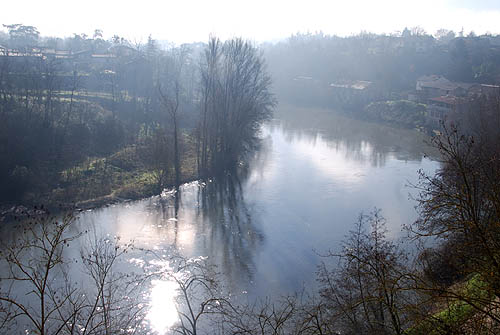
Lavaur is a commune in the Tarn department in southern France. It lies 37 km Southeast of Montauban by rail. Lavaur stands on the left bank of the Agout, now crossed by a railway-bridge and a stone bridge of the late 18th century.
|
|
||||||||||||||||||||||||||||||||||||||||||||||||||||||||||||||||||||||||||||||||||||||||||||||||||||||||||||||||||||||||||||||||||||

|
|||||||||||||||||||||||||||||||||||||||||||||||||||||||||||||||||||||||||||||||||||||||||||||||||||||||||||||||||||||||||||||||||||||
History
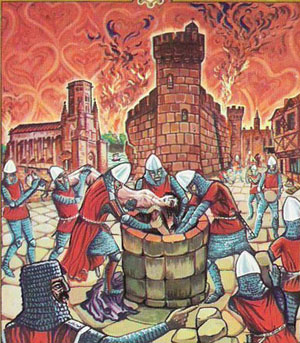
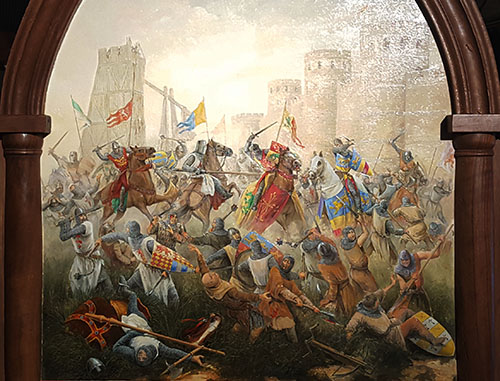
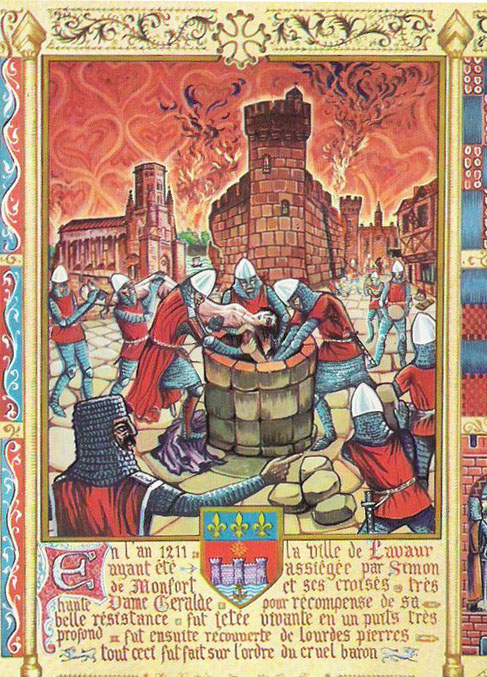
In 1180-1181, well before the Crusade against the Cathars, There was another military expedition, led by a Cistercian against the people of the Languedoc. Henry of Marcy, Abbot of Clairvaux had taken part in a failed mission to the Languedoc in 1178. A little later, as Cardinal-Bishop of Albano, he tried again. His failure as a preacher led to him head a military expedition against the territories of Roger II Trencavel, Viscount of Béziers, anticipating Arnaud Amaury, the Cistercian Abbot who lead the Albigensian Crusade. Commanding armed forces provided by Raymond V of Toulouse, Henry successfully took Lavaur in 1181, forcing the submission of its lord and capturing two Cathar Parfaits. A generation later in March 1211, during the wars against the Cathars of the Languedoc, Lavaur was besieged again, this time by Simon de Montfort. The town fell on 3rd of May, 1211, following which the French crusaders excelled even themselves in cruelty and disregard for the accepted rules of war. The head of the garrison, Aimeric-de-Montréal, was hanged along with his knights. His widowed sister, the chatelaine of Lavaur, Gerauda (or Guiraude or Geralda) de Lavaur, was brutally murdered. The Song of the Cathar Wars [laisee 68] relates the event, pointing out that Gerauda had been famed for her generosity to all - any visitor would be invited to dine (see below) |
|
||||||||||||||||||||||||||||||||||||||||||||||||||||||||||||||||||||||||||||||||||||||||||||||||||||||||||||||||||||||||||||||||||||
|
|
The Song of the Cathar Wars [laisee 68]
|
|
|||||||||||||||||||||||||||||||||||||||||||||||||||||||||||||||||||||||||||||||||||||||||||||||||||||||||||||||||||||||||||||||||||
|
As in all other cases, Cathar parfaits declined to abjure their faith. 400 Cathars were burned alive by the crusaders, "with great joy" as the Catholic chronicler de Cernay noted. (The crusaders generally burned people alive "with great joy" - cum ingenti gaudio). One Parfait allegedly renounced his faith. The rest sang canticles as they were being led to the pyres. Here is the account of the whole series of murderous events given by Pierre des Vaux de Cernay (§227, p 117):
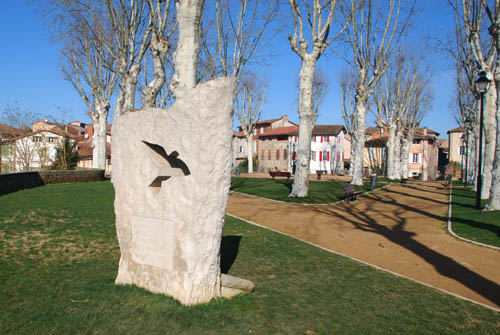
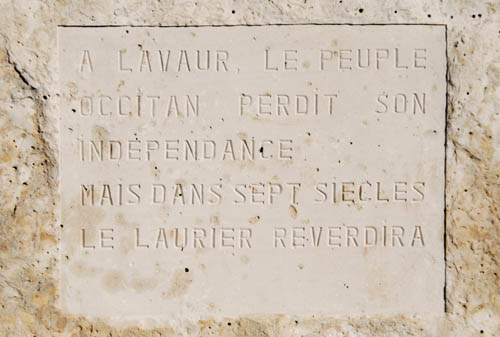
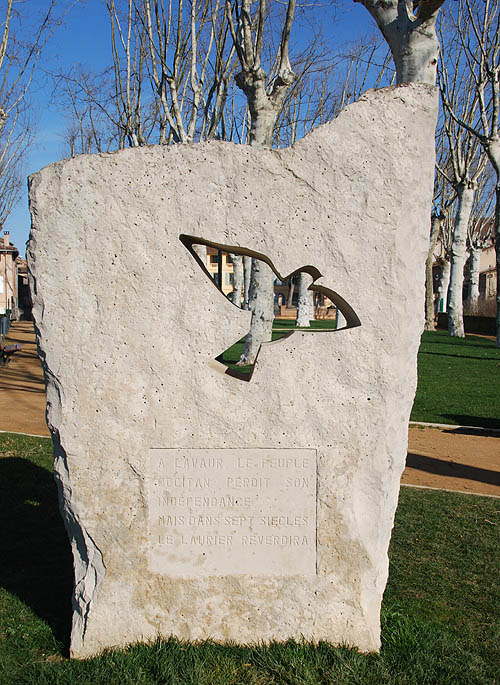
Today a sign at the top of the steps from the street to the esplanade tells the same story, pointing out that the massacre here was the largest of the crusade.
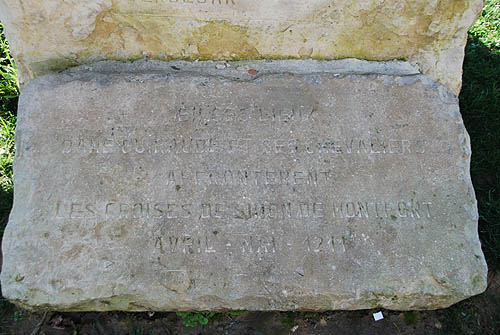
Is also says on the base in French, with the webmaster's loose transl;ation:
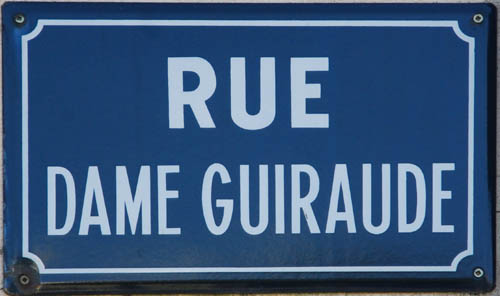
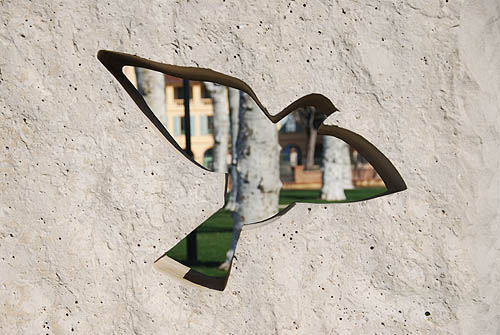
Each year since 1971 the local archaeological society has organised a ceremony to mark the fall of Lavaur and the murder of Dame Guiraude de Laurac. Garlands of flowers are placed on the memorial, with the motto "Pretz, Paratge et Convivença" |
|
||||||||||||||||||||||||||||||||||||||||||||||||||||||||||||||||||||||||||||||||||||||||||||||||||||||||||||||||||||||||||||||||||||
Montgey
During the siege of Lavaur a contingent of German Crusaders were ambushed by the Count of Foix in April 1211 on their way to join Simon de Montfort's siege.
|
|
||||||||||||||||||||||||||||||||||||||||||||||||||||||||||||||||||||||||||||||||||||||||||||||||||||||||||||||||||||||||||||||||||||
Architecture
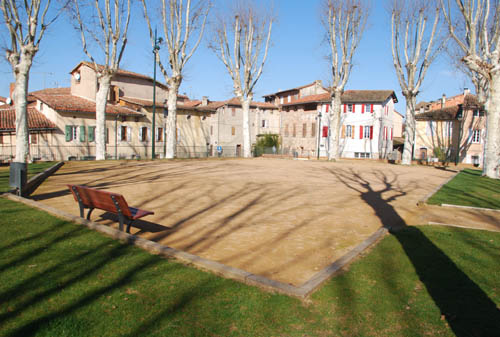
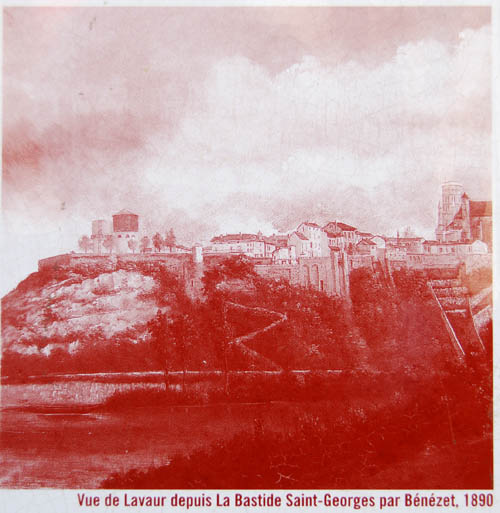
Nothing remains of the castle here. For many years it was used as a prison, and was demolished two centuries ago. Today, the site is a public garden with memorials to the Lady of Lavaur and her knights who fought here, and who having surrendered were murdered by the Crusaders under Simon de Montfort. |
|
||||||||||||||||||||||||||||||||||||||||||||||||||||||||||||||||||||||||||||||||||||||||||||||||||||||||||||||||||||||||||||||||||||
|
|
|
||||||||||||||||||||||||||||||||||||||||||||||||||||||||||||||||||||||||||||||||||||||||||||||||||||||||||||||||||||||||||||||||||||
Photographs |
|
||||||||||||||||||||||||||||||||||||||||||||||||||||||||||||||||||||||||||||||||||||||||||||||||||||||||||||||||||||||||||||||||||||
|
|
|
|||||||||||||||||||||||||||||||||||||||||||||||||||||||||||||||||||||||||||||||||||||||||||||||||||||||||||||||||||||||||||||||||||
|
|
|
|
|||||||||||||||||||||||||||||||||||||||||||||||||||||||||||||||||||||||||||||||||||||||||||||||||||||||||||||||||||||||||||||||||||
|
|||||||||||||||||||||||||||||||||||||||||||||||||||||||||||||||||||||||||||||||||||||||||||||||||||||||||||||||||||||||||||||||||||||
|
|||||||||||||||||||||||||||||||||||||||||||||||||||||||||||||||||||||||||||||||||||||||||||||||||||||||||||||||||||||||||||||||||||||
|
|
|||||||||||||||||||||||||||||||||||||||||||||||||||||||||||||||||||||||||||||||||||||||||||||||||||||||||||||||||||||||||||||||||||||
|
|
|
|
|||||||||||||||||||||||||||||||||||||||||||||||||||||||||||||||||||||||||||||||||||||||||||||||||||||||||||||||||||||||||||||||||||
|
|
|
|
|||||||||||||||||||||||||||||||||||||||||||||||||||||||||||||||||||||||||||||||||||||||||||||||||||||||||||||||||||||||||||||||||||











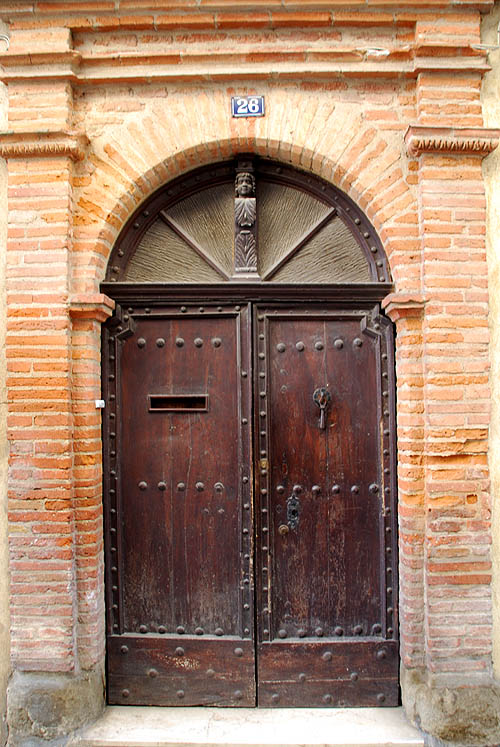
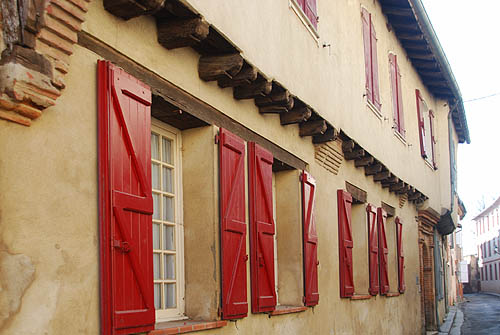
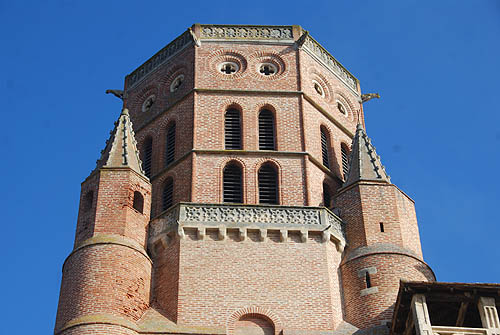
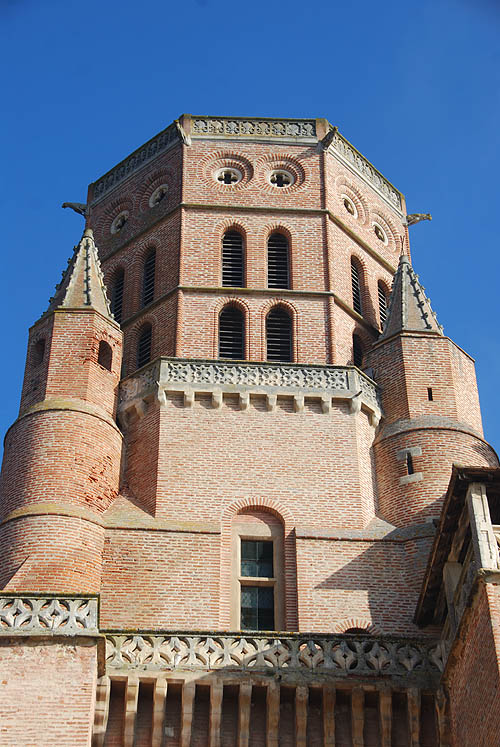




|
|
|
|
|
|
||||
|
|||||||||


| :::: Link to us :::: Castle and Manor Houses Resources ::: © C&MH 2010-2016 ::: contact@castlesandmanorhouses.com ::: Advertising ::: |