 |
Cathar Castles
|
   |
 |
|
|
|
|
|
||||||||||||||||||||||||||||||||||||||||||||||||||||||||||||||||||||||||||||||||||||||||||||||||||||||||||||||||||||||||||||||||||||||||||||||||||||||||||||||||||||||||||||||||||
|
|
|
|
|
|
 |
||||||||||||||||||||||||||||||||||||||||||||||||||||||||||||||||||||||||||||||||||||||||||||||||||||||||||||||||||||||||||||||||||||||||||||||||||||||||||||||||||||||||||||||||||
|
|
Castle and Cité at Béziers
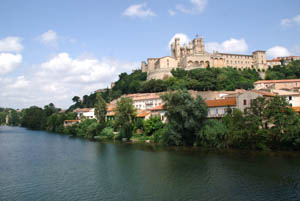
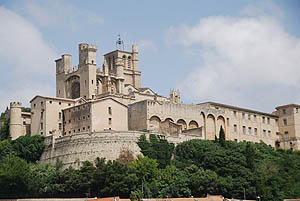
In the Middle Ages Béziers belonged to the Viscounts of Carcassonne. When the first Cathar Crusade arrived in the Languedoc this was their first target. On 22 July 1209 the Crusader army arrived at Béziers on the periphery of the area in the Languedoc where Cathars flourished. There were believed to be around 200 Cathar Parfaits in the town among a much greater population of sympathetic Catholics. The townspeople, believing their city walls impregnable, were careless, and the town was overrun while the leading Crusader churchmen and nobles were still planning their siege. Today nothing remains of the Viscounts' Castle in Béziers, but the town still bears scars inflicted by the Crusaders. It was here that the abbott-comander gave the famous command "Kill them all - the Lord will recognise His own" See sepate sections below on: |
|
|||||||||||||||||||||||||||||||||||||||||||||||||||||||||||||||||||||||||||||||||||||||||||||||||||||||||||||||||||||||||||||||||||||||||||||||||||||||||||||||||||||||||||||||||||||
AddressContact James McDonald Tel from the US: 010 33 468 201142 Tel from the UK: 01 33 468 201142 Tel from France: 0468 201142 Tel other: + 33 468 201142 e-mail castlesandmanorhouses@gmail.com |
|
||||||||||||||||||||||||||||||||||||||||||||||||||||||||||||||||||||||||||||||||||||||||||||||||||||||||||||||||||||||||||||||||||||||||||||||||||||||||||||||||||||||||||||||||||||||
Google Maps |
|
||||||||||||||||||||||||||||||||||||||||||||||||||||||||||||||||||||||||||||||||||||||||||||||||||||||||||||||||||||||||||||||||||||||||||||||||||||||||||||||||||||||||||||||||||||||
|
|
|
|||||||||||||||||||||||||||||||||||||||||||||||||||||||||||||||||||||||||||||||||||||||||||||||||||||||||||||||||||||||||||||||||||||||||||||||||||||||||||||||||||||||||||||||||||||
Location
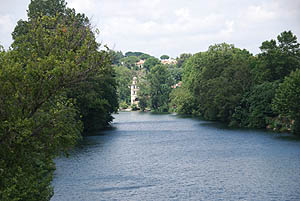
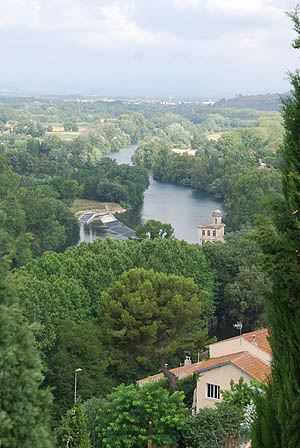
Béziers (Occitan: Besièrs) is a town in the Hérault department in the Languedoc in southern France. The town is located on a small bluff above the river Orb, about 10 km (6.2 mi) from the Mediterranean.
|
|
||||||||||||||||||||||||||||||||||||||||||||||||||||||||||||||||||||||||||||||||||||||||||||||||||||||||||||||||||||||||||||||||||||||||||||||||||||||||||||||||||||||||||||||||||||||
History
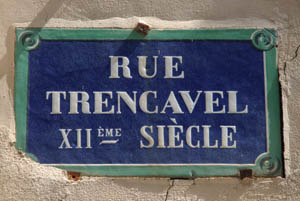
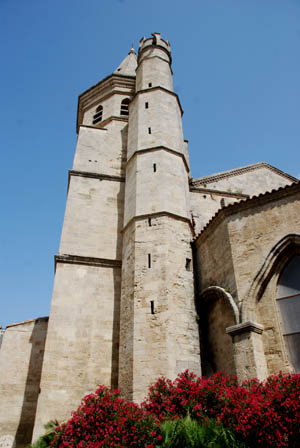
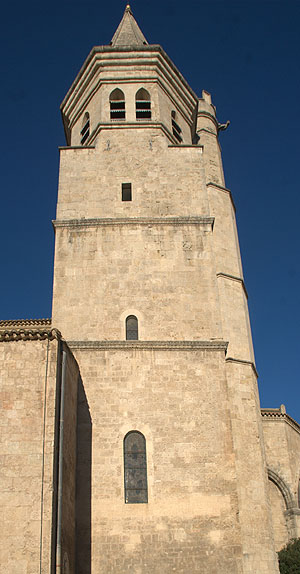
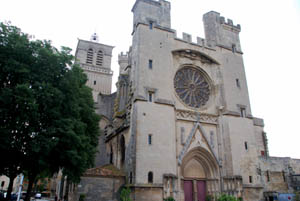
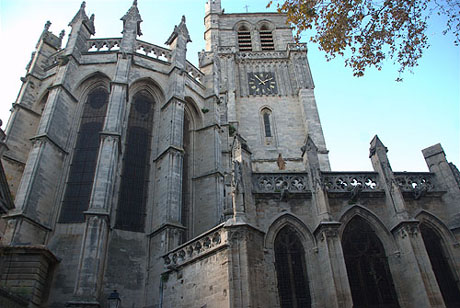
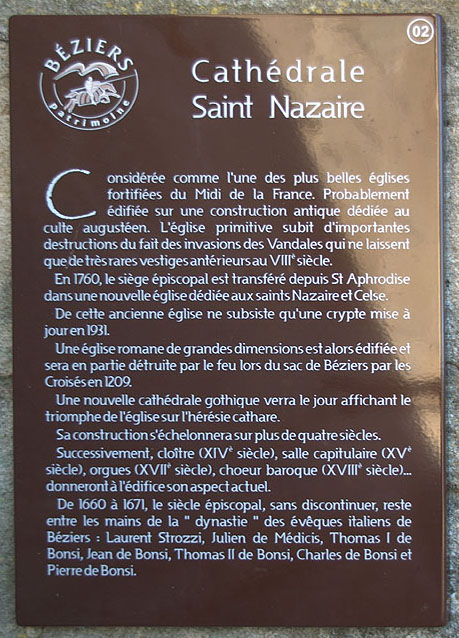
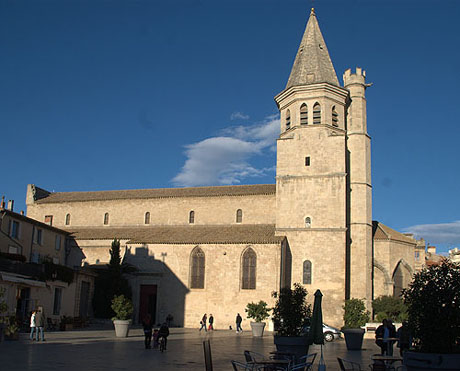
The earliest habitations in Béziers were on the site now occupied by the Cathedral of Saint Nazaire and Saint Celse. It was one of countless oppida in the region around 800 BC. Native Celts here traded with Gauls, Greeks, Etruscans and Carthaginians. According to tradition, Hercules passed by this site on his way to the Garden of the Hesperides, passing along the route we now know as the Domitan Way (Voie Domitienne) which crossed the River Orb at the bridge known as the Pont Vieux, heading off to Narbonne. Béziers is one of the oldest cities in France. It dates from 575 B.C., making it older than Agde (525 B.C.) though younger than Marseille (600 BC). The site has been occupied since Neolithic times, before the influx of Celts. Roman Betarra was on the road that linked Provence with Iberia. Romans refounded the city as a new colonia for veterans in 36/35 BC and called it Colonia Julia Baeterrae Septimanorum. Stones from the Roman amphitheatre were used to construct the city wall during the 3rd century. White wine was exported to Rome; two dolia discovered in an excavation near Rome are marked, one "I am a wine from Baeterrae and I am five years old", the other simply "white wine of Baeterrae". It was occupied by the Moors between 720 and 752. From the 10th to the 12th century Béziers was the centre of a Viscountcy of Béziers. The viscounts ruled most of the coastal plain around the city, including also the city of Agde. They also controlled the major east-west route through Languedoc, which roughly follows the old Roman Via Domitia, with the two key bridges over the Orb at Béziers and over the Hérault at Saint-Thibéry. Béziers had been granted a communal charter as early as 1131, reflecting the emergence of a new Middle class which would soon threaten the nobility. In 1167, townsmen murdered their Viscount, Raymond Trencavel, causing a scandal that resulted in the excommunication of the town, and which was still remembered at the time of the Cathar Wars. At the time of the Cathar Wars (or Albigensian Crusade), The young Viscount of Carcassonne and Béziers was lord of twin cities. Both cities sat on hill-tops by a river. Both were Castra with powerful castles within their wall. Both had Cathedrals dedicated to Saint Nazaire and Saint Celses, and the suzerain of both was the King of Aragon. The following troubadours are known to have visited the castle at Béziers during the Trencavel period:
|
|
||||||||||||||||||||||||||||||||||||||||||||||||||||||||||||||||||||||||||||||||||||||||||||||||||||||||||||||||||||||||||||||||||||||||||||||||||||||||||||||||||||||||||||||||||||||

|
|||||||||||||||||||||||||||||||||||||||||||||||||||||||||||||||||||||||||||||||||||||||||||||||||||||||||||||||||||||||||||||||||||||||||||||||||||||||||||||||||||||||||||||||||||||||
Beziers and the Albigensian Crusade
In 1209 the crusading army sacked and looted Béziers indiscriminately, while townspeople retreated to the sanctuary of the churches. The Cistercian abbot-commander, Arnaud Amaury, was reported by a fellow Cistercian to have been asked how to tell Cathar from Catholic. His reply demonstrated his faith: "Kill them all - the Lord will recognise His own". The Roman Church has recently taken to disowning these words, but they are reliable. Not only were they recorded by a sympathetic fellow churchman, but they also accord with other sources. The Song of the Cathar Wars, sympathetic to the crusaders at this stage [laisse 21] records that the French crusaders explicitly planned to adopt a popular terrorist tactic of indiscriminate massacre (one often used by the Roman Church against those they regarded as infidels):
When the town was taken Catholic citizens sought refuge in a Church dedicated to Mary Magdelene.
The mass for the dead was for themselves. The Church was set alight and the rest of the town put to the sword. Some 7,000 people died in the church including women, children, priests and old men. Elsewhere many more thousands were mutilated and killed. Prisoners were blinded, dragged behind horses, and used for target practice The town was razed. Arnaud, the abbot-commander, wrote to his master the Pope: "Today your Holiness, twenty thousand citizens were put to the sword, regardless of rank, age, or sex". Reportedly, not a single person survived, not even a new born baby.
Perhaps the most enduring memorial is the sentiment "Kill them all - the Lord will recognise His own". In Latin: Cædite eos. Novit enim Dominus qui sunt eius; in French Tuez-les tous, Dieu reconnaîtra les siens. The words - and their fulfillment - are remembered by almost everyone in the Languedoc.
|
|
||||||||||||||||||||||||||||||||||||||||||||||||||||||||||||||||||||||||||||||||||||||||||||||||||||||||||||||||||||||||||||||||||||||||||||||||||||||||||||||||||||||||||||||||||||||
|
|
|
||||||||||||||||||||||||||||||||||||||||||||||||||||||||||||||||||||||||||||||||||||||||||||||||||||||||||||||||||||||||||||||||||||||||||||||||||||||||||||||||||||||||||||||||||||||
Photographs |
|||||||||||||||||||||||||||||||||||||||||||||||||||||||||||||||||||||||||||||||||||||||||||||||||||||||||||||||||||||||||||||||||||||||||||||||||||||||||||||||||||||||||||||||||||||||
|
|
|
|||||||||||||||||||||||||||||||||||||||||||||||||||||||||||||||||||||||||||||||||||||||||||||||||||||||||||||||||||||||||||||||||||||||||||||||||||||||||||||||||||||||||||||||||||||
|
|
||||||||||||||||||||||||||||||||||||||||||||||||||||||||||||||||||||||||||||||||||||||||||||||||||||||||||||||||||||||||||||||||||||||||||||||||||||||||||||||||||||||||||||||||||||||
|
|
|||||||||||||||||||||||||||||||||||||||||||||||||||||||||||||||||||||||||||||||||||||||||||||||||||||||||||||||||||||||||||||||||||||||||||||||||||||||||||||||||||||||||||||||||||||||
|
|
|||||||||||||||||||||||||||||||||||||||||||||||||||||||||||||||||||||||||||||||||||||||||||||||||||||||||||||||||||||||||||||||||||||||||||||||||||||||||||||||||||||||||||||||||||||||
|
|
||||||||||||||||||||||||||||||||||||||||||||||||||||||||||||||||||||||||||||||||||||||||||||||||||||||||||||||||||||||||||||||||||||||||||||||||||||||||||||||||||||||||||||||||||||||
|
Le siège de Béziers (The Siege of
Béziers), 22 July 1209  |
|||||||||||||||||||||||||||||||||||||||||||||||||||||||||||||||||||||||||||||||||||||||||||||||||||||||||||||||||||||||||||||||||||||||||||||||||||||||||||||||||||||||||||||||||||||||
|
Le siège de Béziers - detail (The
Siege of Béziers), 22 July 1209  |
|||||||||||||||||||||||||||||||||||||||||||||||||||||||||||||||||||||||||||||||||||||||||||||||||||||||||||||||||||||||||||||||||||||||||||||||||||||||||||||||||||||||||||||||||||||||
|
Le massacre de Béziers (The Massacre of
Béziers), 22 July 1209  |
|||||||||||||||||||||||||||||||||||||||||||||||||||||||||||||||||||||||||||||||||||||||||||||||||||||||||||||||||||||||||||||||||||||||||||||||||||||||||||||||||||||||||||||||||||||||
|
Le massacre de Béziers - detail (The Massacre
of Béziers), 22 July 1209  |
|||||||||||||||||||||||||||||||||||||||||||||||||||||||||||||||||||||||||||||||||||||||||||||||||||||||||||||||||||||||||||||||||||||||||||||||||||||||||||||||||||||||||||||||||||||||
|
|||||||||||||||||||||||||||||||||||||||||||||||||||||||||||||||||||||||||||||||||||||||||||||||||||||||||||||||||||||||||||||||||||||||||||||||||||||||||||||||||||||||||||||||||||||||
|
|
|
|
|||||||||||||||||||||||||||||||||||||||||||||||||||||||||||||||||||||||||||||||||||||||||||||||||||||||||||||||||||||||||||||||||||||||||||||||||||||||||||||||||||||||||||||||||||||
|
|
|
|
|||||||||||||||||||||||||||||||||||||||||||||||||||||||||||||||||||||||||||||||||||||||||||||||||||||||||||||||||||||||||||||||||||||||||||||||||||||||||||||||||||||||||||||||||||||
































|
|
|
|
|
|
||||
|
|||||||||


| :::: Link to us :::: Castle and Manor Houses Resources ::: © C&MH 2010-2016 ::: contact@castlesandmanorhouses.com ::: Advertising ::: |