 |
Cathar Castles
|
   |
 |
|
|
|
|
|
||||||||||||||||
|
|
|
|
|
|
 |
||||||||||||||||
|
|
Castle of Montaillou (
|
|
|||||||||||||||||||
AddressContact James McDonald Tel from the US: 010 33 468 201142 Tel from the UK: 01 33 468 201142 Tel from France: 0468 201142 Tel other: + 33 468 201142 e-mail castlesandmanorhouses@gmail.com |
|
||||||||||||||||||||
Google Maps |
|
||||||||||||||||||||
|
|
|
|||||||||||||||||||
Location
|
|
||||||||||||||||||||

|
|||||||||||||||||||||
History
The village of MontaillouMontaillou is a small village and commune in the eastern half of the Pyrenees, then in the independent County of Foix, now in the Ariège département of southern France. The town is best known for being the subject of Emmanuel Le Roy Ladurie's pioneering work of microhistory, Montaillou, village occitan. It analyzes the town in detail from 1294 to 1324. Then a village of some 250 people, the daily routines of the people are in the records of Jacques Fournier. Montaillou was one of the last bastions of the Cathar religion (or "Albigensian heresy").
It was in this very church that the philandering local Catholic priest Barthélemy Amilhac seduced the local chatelaine, Béatrice de Planissolles. This was unremarkable behaviour for a Catholic priest, but the more interesting thing was that he was also a Cathar believer. (You can read an Eglish translation (by Nancy P. Stork) of the depositions given to the Inquisition by the priest and his lover, Béatrice de Planissolles, Chatellaine of Montaillou about and this link for more about Montaillou
|
|
||||||||||||||||||||
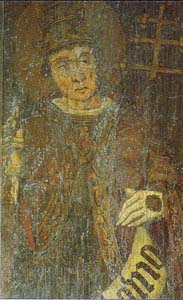
Jaques Fournier, Bishop of Pamiers and the Fournier Register
Jacques Fournier undertook a rigorous hunt for Cathar believers, which won him praise from Catholic authorities, but alienated local people. He was an exceptional Inquisitor. Uniquely "Monsignor Jacques" was interested in what had really happened, kept records of his interrogations and managed to have them preserved to provide a treasure trove for historians. He made a name for himself by his skill as an inquisitor during the period 1318-1325. He conducted a campaign against the last remaining Cathar believers in the village of Montaillou, as well as others who questioned the Catholic faith. Click here for more on Jacques Fournier and the fornier Register. |
|
||||||||||||||||||||
Béatrice de Planissolles
Béatrice de Planissolles was a minor noble in the Comté de Foix in the late thirteenth and early fourteenth century. She was born around 1274, probably in the mountain village of Caussou. Béatrice was the daughter of Philippe de Planissolles a nobleman later convicted of supporting the Cathar religion. At around the age of twenty Béatrice was married to Bérenger de Roquefort who was the châtelain of the small, and largely Cathar, community of Aillou or Montaillou. Béatrice did not care greatly for her husband and soon began a courtship with Raymond Roussel, steward of the châtelain's estate. She was raped bya man called Pathau Clergue. In 1302 Bérenger de Roquefort died leaving Béatrice a widow. At this point she became the consort of Pathau Clergue, the man who had raped her. Soon she began a relationship with Pathau's cousin Pierre Clergue, a priest and the most powerful man in the village. This relationship lasted two years before Béatrice decided to leave the village and remarry, wedding Otho de Lagleize, another minor noble. He too died after only a few years of marriage. In her older years Béatrice took up with a young vicar Barthélemy Arilhac. After a number of years this relationship ended as Barthélemy worried he would be placed in danger by Béatrice's Cathar past. His concerns were justified. They were both arrested by the inquisition and held for a year. Béatrice first appeared before the Inquisition on Saturday 26 July 1320 at the Episcopal Palace in Pamiers. She had been summoned by Jacques Fournier, the Bishop of Pamiers, to answer charges of blasphemy, witchcraft, and heresy. The charge of witchcraft was supported by the contents of her purse, which included a variety of "objects, strongly suggestive of having been used by her to cast evil spells": two umbilical cords of infants; linens soaked with blood, which was suspected of being menstrual, in a sack of leather, with a seed of cole-wort; and seeds of incense slightly burned; a mirror and a small knife wrapped in a piece of linen; the seed of a certain plant, wrapped in muslin (which she testified had been given to her by a pilgrim as a remedy for epilepsy); a dry piece of bread; written formulae; and numerous morsels of linen. Barthélemy Arilhac was not punished, but Béatrice was. With her husbands Béatrice is known to have had four daughters: Condors, Esclaramonde, Philippa, and Ava. Beatrice's case was particularly interesting. Click on the following link for an English translation of Beatrice's Interogation by the Inquisition
|
|
||||||||||||||||||||
Architecture
|
|
||||||||||||||||||||
|
|
|
||||||||||||||||||||
|
|
|||||||||||||||||||||
|
|
|
|
|||||||||||||||||||
|
|
|
|
|||||||||||||||||||


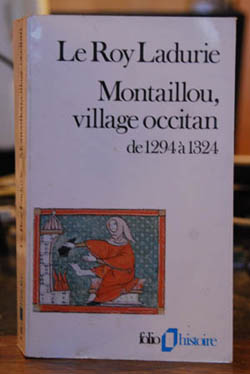


 Montaillou, village occitan de 1294 à 1324, Editions
Gallimard (Paris, 1978),
Montaillou, village occitan de 1294 à 1324, Editions
Gallimard (Paris, 1978), 
 Montaillou,
abridged English version, Penguin (London, 1978), Book by Emmanuel
Le Roy Ladurie.
Montaillou,
abridged English version, Penguin (London, 1978), Book by Emmanuel
Le Roy Ladurie. 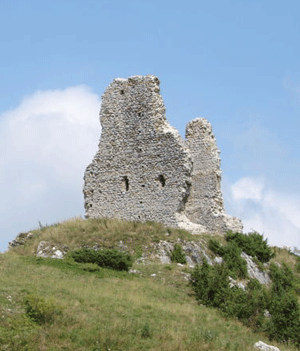


|
|
|
|
|
|
||||
|
|||||||||


| :::: Link to us :::: Castle and Manor Houses Resources ::: © C&MH 2010-2016 ::: contact@castlesandmanorhouses.com ::: Advertising ::: |