 |
Cathar Castles
|
   |
 |
|
|
|
|
|
||||||||||||||||||||||||||||||||||||||||||||||||||||||||||||||||||||||||||||||||||||||||||||||||||||||||||||||||||||||||||||||||||||||||||||||||||||||||||||||||||||||||||||||||||||||||||||||||||||||||||||||||||||||||||||||||||||||||||||||||||||||||||||
|
|
|
|
|
|
 |
||||||||||||||||||||||||||||||||||||||||||||||||||||||||||||||||||||||||||||||||||||||||||||||||||||||||||||||||||||||||||||||||||||||||||||||||||||||||||||||||||||||||||||||||||||||||||||||||||||||||||||||||||||||||||||||||||||||||||||||||||||||||||||
|
|
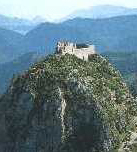
Castle of Montségur (
|
|
|||||||||||||||||||||||||||||||||||||||||||||||||||||||||||||||||||||||||||||||||||||||||||||||||||||||||||||||||||||||||||||||||||||||||||||||||||||||||||||||||||||||||||||||||||||||||||||||||||||||||||||||||||||||||||||||||||||||||||||||||||||||||||||||
AddressContact James McDonald Tel from the US: 010 33 468 201142 Tel from the UK: 01 33 468 201142 Tel from France: 0468 201142 Tel other: + 33 468 201142 e-mail castlesandmanorhouses@gmail.com |
|
||||||||||||||||||||||||||||||||||||||||||||||||||||||||||||||||||||||||||||||||||||||||||||||||||||||||||||||||||||||||||||||||||||||||||||||||||||||||||||||||||||||||||||||||||||||||||||||||||||||||||||||||||||||||||||||||||||||||||||||||||||||||||||||||
Google Maps |
|
||||||||||||||||||||||||||||||||||||||||||||||||||||||||||||||||||||||||||||||||||||||||||||||||||||||||||||||||||||||||||||||||||||||||||||||||||||||||||||||||||||||||||||||||||||||||||||||||||||||||||||||||||||||||||||||||||||||||||||||||||||||||||||||||
|
|
|
|||||||||||||||||||||||||||||||||||||||||||||||||||||||||||||||||||||||||||||||||||||||||||||||||||||||||||||||||||||||||||||||||||||||||||||||||||||||||||||||||||||||||||||||||||||||||||||||||||||||||||||||||||||||||||||||||||||||||||||||||||||||||||||||
Location
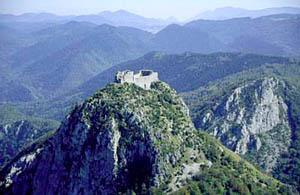
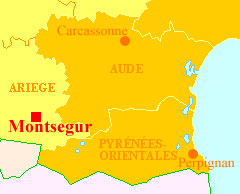
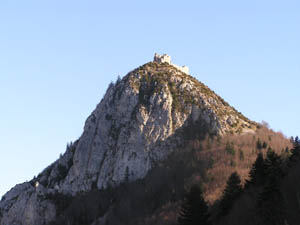
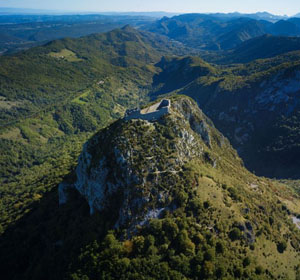
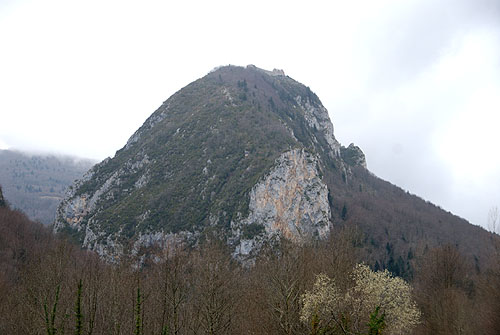
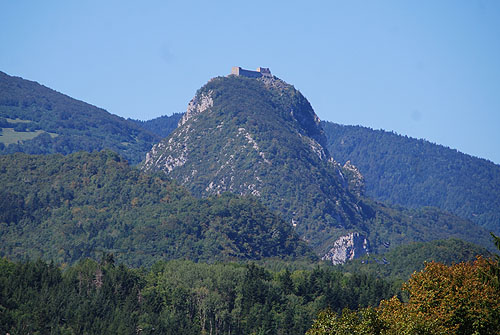
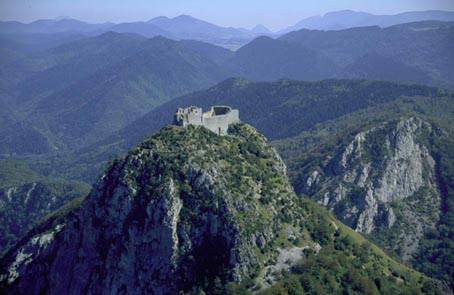
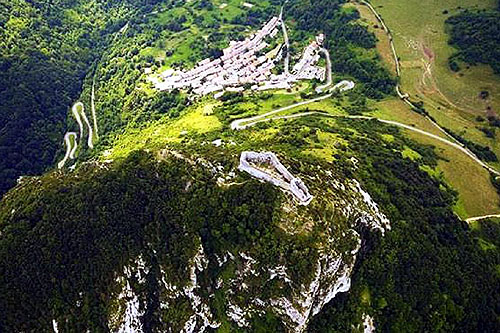
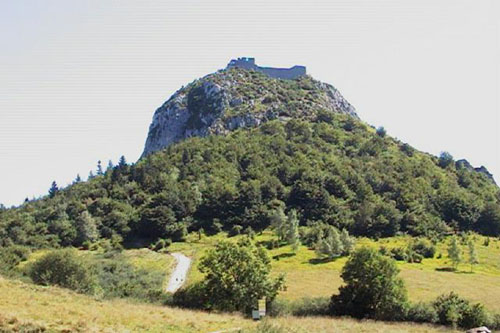
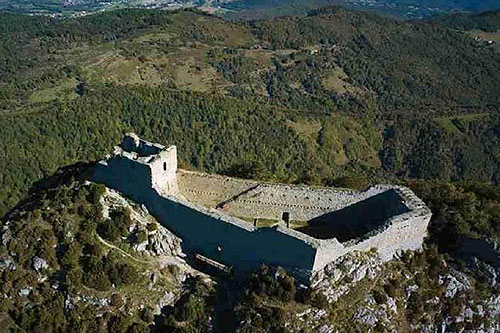
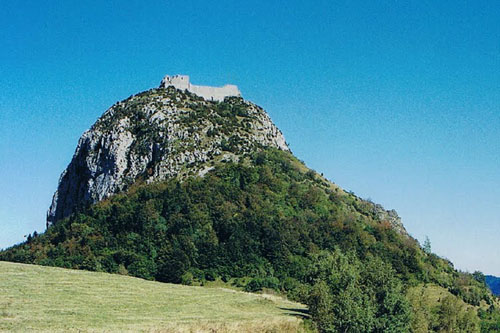
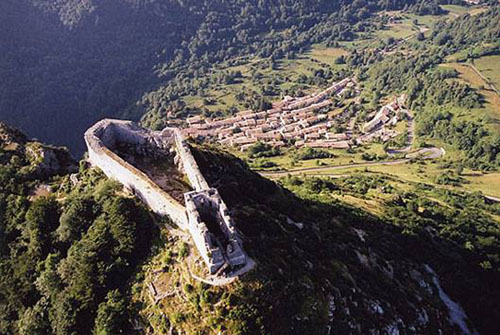
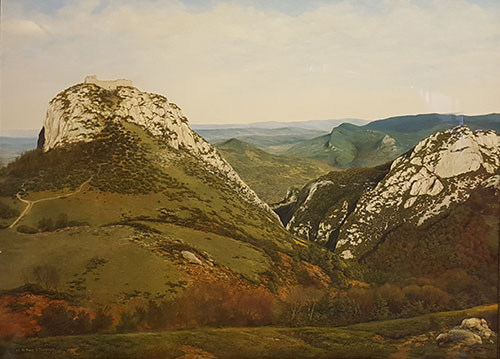
Montségur is in the Ariege, in the foothills of the Pyrenees, not far from Lavelanet, due South from Mirepoix. Montségur lies at 42°52'35" N, 1°49'51" E on a pog (a volcanic pluton) at an altitude of 1,207 meters. The castle is owned by the Commune of Montségur. There is an entrance fee, which also covers entry to a museum in the nearby town. Guided Tours Mairie: mairie.montsegur@wanadoo.fr Tourist Information Office:
|
|
||||||||||||||||||||||||||||||||||||||||||||||||||||||||||||||||||||||||||||||||||||||||||||||||||||||||||||||||||||||||||||||||||||||||||||||||||||||||||||||||||||||||||||||||||||||||||||||||||||||||||||||||||||||||||||||||||||||||||||||||||||||||||||||||

|
|||||||||||||||||||||||||||||||||||||||||||||||||||||||||||||||||||||||||||||||||||||||||||||||||||||||||||||||||||||||||||||||||||||||||||||||||||||||||||||||||||||||||||||||||||||||||||||||||||||||||||||||||||||||||||||||||||||||||||||||||||||||||||||||||
History of Montsegur
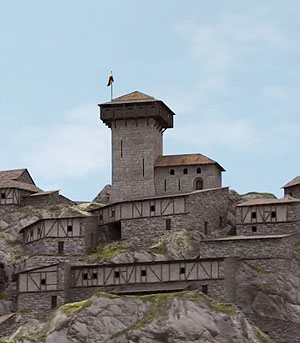
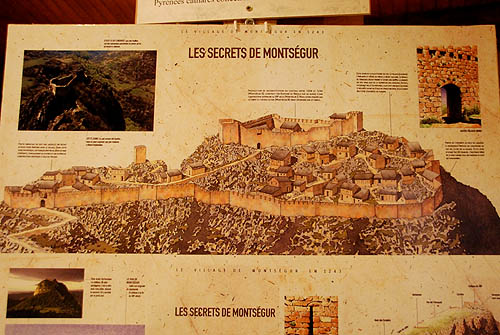
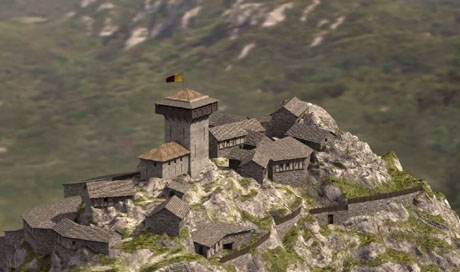
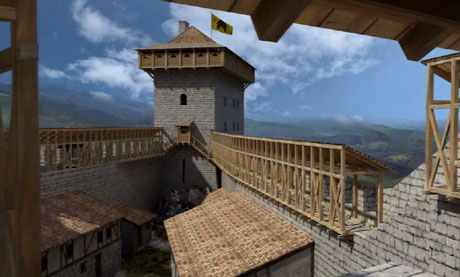
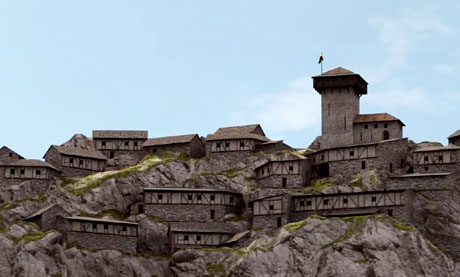
The name in French is spelled Montségur, and in Occitan, Montsegùr. In the early thirteenth century the lordship of Montsegur was shared between two cousins, Raymond de Péreille and Pierre-Roger de Mirepoix. In about 1204, Raymond de Péreille decided to rebuild the castle, which had been in ruins for 40 years or more. This as a prescient act in view of the Crusade launched against the people of the Languedoc just a few years later. Rebuilt, the castle became a centre of Cathar activities, and home to Guilhabert de Castres, a Cathar bishop. This castle is known to archaeologists as Montsegur II and has the strongest claim of any castle to the title "Cathar Castle". In the first half of the thirteenth century, the fortress at Montsegur was the object of four sieges. The first in 1212, led by Guy de Montfort, brother of Simon IV de Montfort was unsuccessful, as was the second in 1213, led by Simon IV de Montfort himself. In 1215 , the Lateran Council cited the fortress at Montsegur as a den of heretics. It became a refuge for dispossessed Cathar families ("faidits") seeking shelter from the depredations of the Catholic Crusaders. The role as a shelter for faidits from the Cathar Church grew in 1229 following the Treaty of Meaux-Paris under which more Occitan nobles were dispossessed, including Pierre-Roger de Mirepoix, cousin of Raymond Péreille, who became the military commander of Montsegur. In 1233 Montsegur became "the seat and head" (domicilium et caput) of the Cathar church. It provided a refugee for more"faidits" - lords who had been stripped of their lands and goods by the Roman Church. These faidits, counterparts of the more recent maquis, continued to wage a guerilla war against the invaders. Montségur housed about 500 persons within the castle precincts and in the adjacent village perched on the mountainside. Under pressure to comply with the requirements of the Church, Raymond VII made a token attempt to capture Montségur in July 1241 - apparently to demonstrate his orthodoxy to the King of France. This was the third unsuccessful siege of Montsegur since 1212.
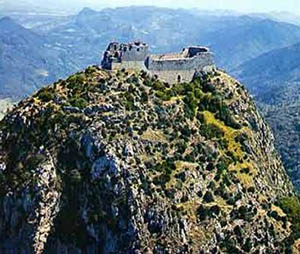
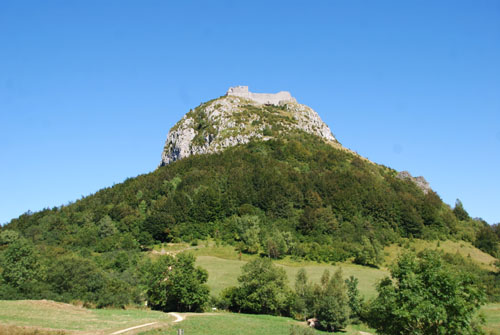
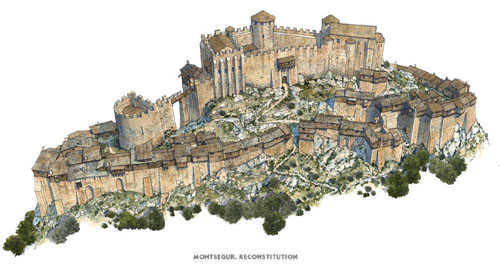
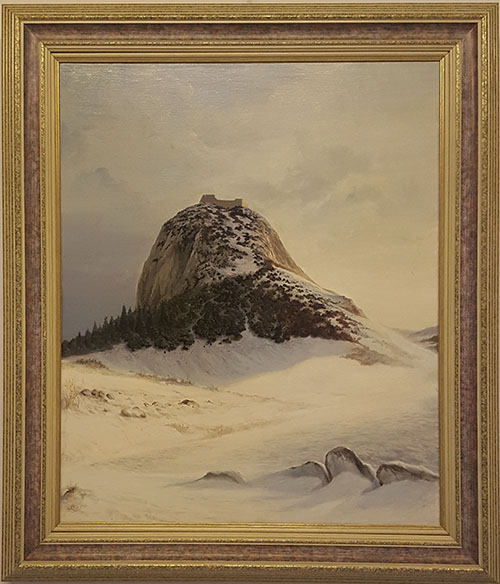
Following the massacre at Avignonet, the Council of Béziers in 1243 decided to destroy the last vestiges of Catharism. The Cathar sympathisers responsible for killing the Inquisitors at Avignonet were known to have come from Montségur. The Council therefore decided to "cut off the head of the dragon" by which they meant to take the château at Montsegur, the last remaining major centre of Cathar belief. The château, perched on top of a majestic hill (called a pog), had already been reinforced.
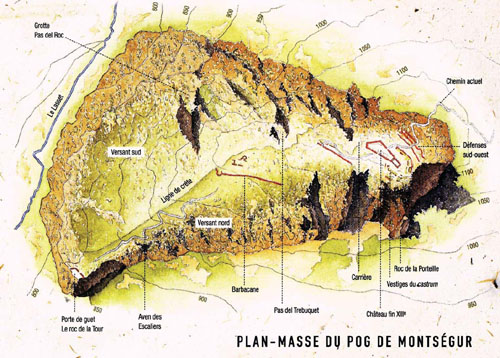
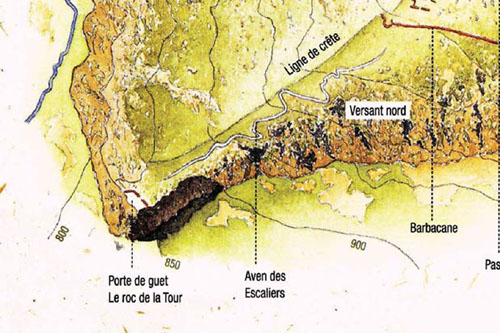
Hugues Des Arcis led about 10,000 royal troops against Montsegur which was held by about 200 faidit fighters. Also inside were around 300 others - around 200 parfaits and parfaites who as pacifists took no part in the fighting, and 100 or so other refugees, generally family members (non-Parfait women and children). The initial strategy was to besiege the castle in expectation that water and supplies would run out, a strategy that had worked well for the crusaders at Carcassonne, Minerve and Termes. The defenders at Montsegur were well supplied and in spite of the presence of 10,000 - 20,000 besiegers, kept their support lines open, supported by many of the local population. For months, defenders were free to come and go, allowing reinforcements into the castle. Throughout the Summer and Autumn, the siege was unsuccessful. Eventually the French forces decided to attack the castle directly, a difficult task due to its well protected location high on a massive limestone rock. After many failures, Basque mercenaries skilled in mountain climbing, scaled a cliff face on the eastern side of the summit during the night. The climb had seemed impossible so the position on top had not even been provided with a look-out. From here it was possible to haul up further men and weapons - enough to take the strategically critical nearby post at a tower (French tour, Occitan tor) at a point known as the Roc de la Tour. From the Roc de la Tour the French slowly fought their way a mile or so up a slope towards the castle.
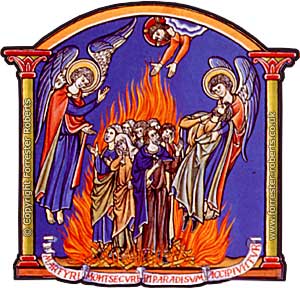
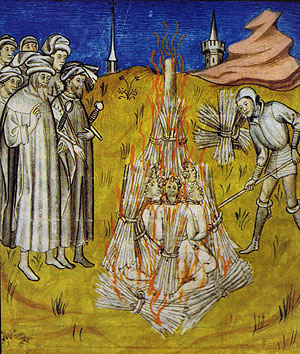
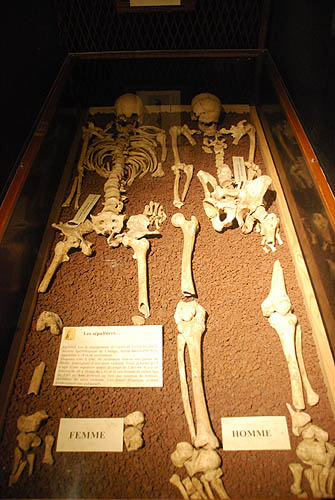
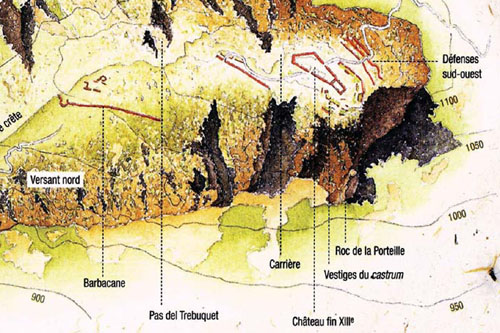
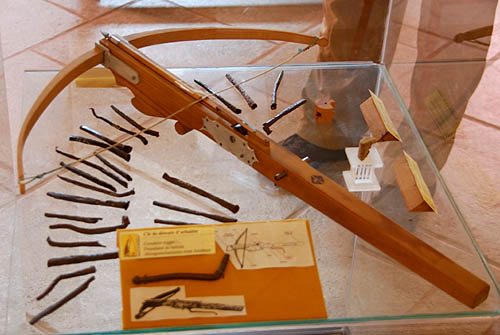
By the end of January, under the direction of a Catholic bishop specialising in war machines, the French were able to construct trebuchets to bombard the defenders' outer barbican. The defenders summoned an engineer to build a trebuchet in an attempt to destroy the attackers' trebuchets, but to no avail. By mid February the French had taken the barbican, allegedly facilitated by the treachery of a local. They now dismantled their trebuchets, reconstructed them on the barbican, and started to bombard the castle itself. [Incidentally we know this by piecing together sketchy written records and physical surviving evidence - trebuchet stones and crossbow quarrels, and even some skeletons]. Meanwhile, the refugees living in houses outside the walls of the castle were forced to move inside, making living conditions even more difficult. Two weeks later the crusaders made an attack which only just failed. The defenders accepted that their position was impossible. The two Lords of Montsegur, Pierre-Roger de Mirepoix and Raymond de Péreille negotiated the surrender with the French maréchal Guy de Lévis (who would become the new Lord of Montsegur after its rendition). They surrendered on 2 March 1244 having negotiated a truce of two weeks, after which the Parfaits would have to abjure their faith or burn alive. During this two week truce, two to four perfects (sources disagree about the number) escaped over the castle walls, taking with them the Cathar "treasure". Nothing more is known about the nature of this treasure, a lacuna that has been filled by a large amount of fanciful speculation, mainly on the part of mystics whose knowledge of Catharism is less than comprehensive. For the perfects at Montsegur, these last two weeks were spent praying and fasting. A number of the garrison and others decided to join the ranks of the 200 or so perfects, and received their Consolamentum on 13th March, bringing the total number of Cathar believers destined to burn to around 225. The most moving part of later Inquisition records about this period recount the parfaites giving away their personal possessions to their non-parfait friends and relatives - clothing, jewellery, spices and so on. At the end of the two-week truce, all those trapped in the castle were allowed to leave except those who would not adopt the Catholic faith, which, as at other defeated Cathar strongholds, meant all of the Perfects. On 16 March all of the parfaits, led by Bishop Bertrand Marty, left the castle and went down to a field where a pyre had been erected. There were too many victims for individual stakes so a pen had been built with piles of firewood inside. The perfects mounted the pyre and perished, passing, according to one Catholic source, from the flames of this world directly to the flames of the next. The nobles among the victims were all related to each other. They included three generations of the seigneural family - grandmother, mother and daughter. As always on such occasions, churchmen song hymns of joy and gave thanks to God.
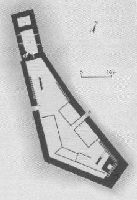
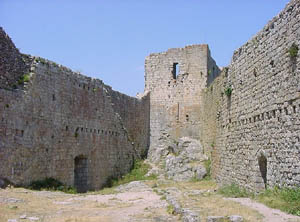
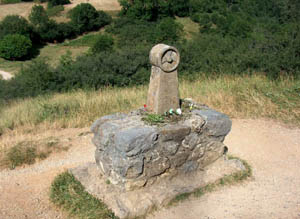
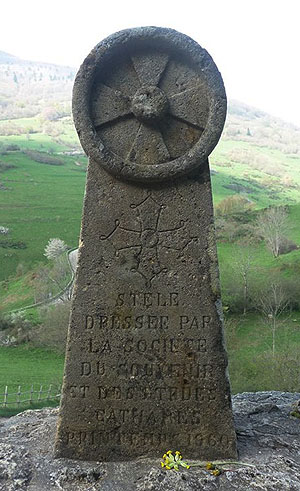
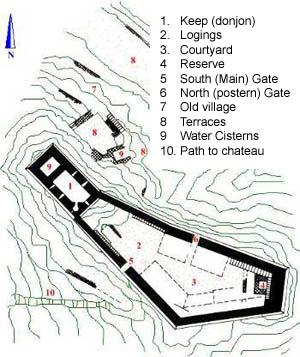
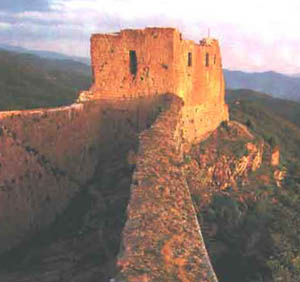
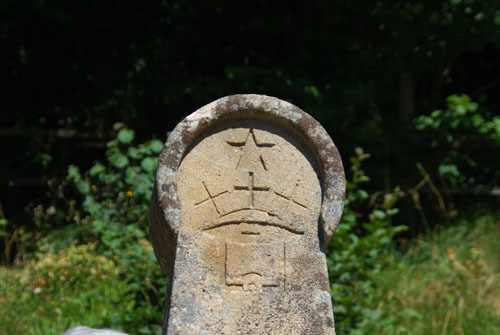
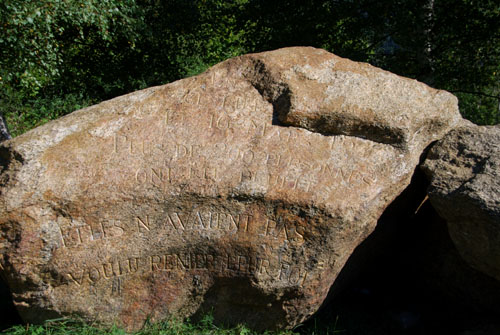
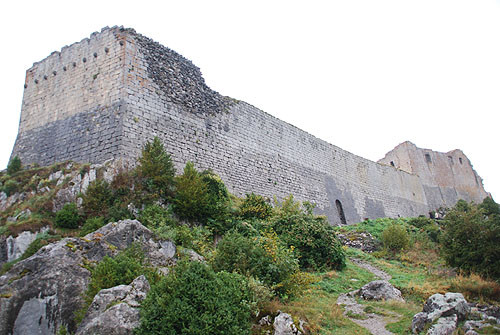
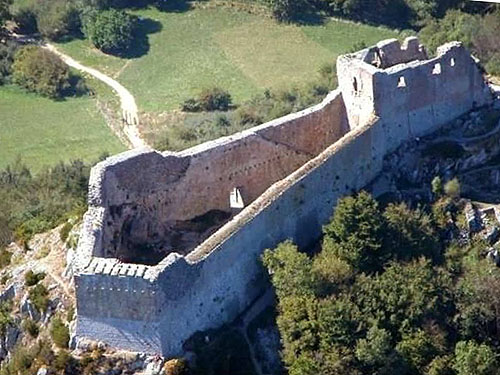
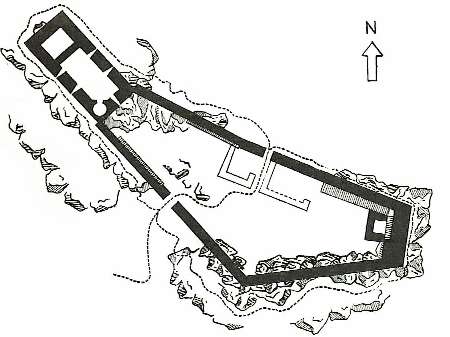
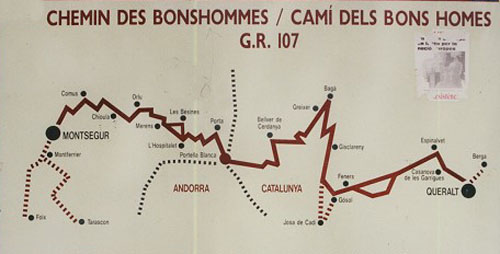
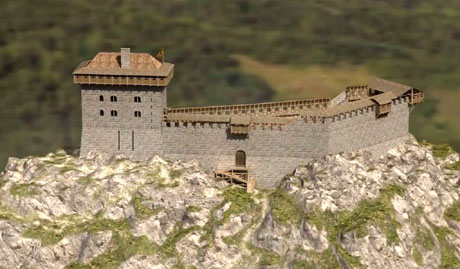
Catharism continued in the Languedoc for many decades but it had lost its head and seat, and, under the pressure of the Inquisition, adherents moved to other places, notably Aragon or what is northern Italy, where conditions were less oppressive, at least for the time being. Montsegur II was destroyed and a new French castle, a royal fortress, was built on the site. This one, known as Montsegur III, guarded France's new border. Today's ruins are those of the French border fortress Montsegur III. Despite this, you may well hear alleged experts on the Cathars expounding theories not only that the Cathars built this castle, but that for religious reasons they built it as a solar temple, in a perfect alignment with the rising sun. - perhaps a distorted version of the fact that the keep and and one wall are aligned on a South-east - North-west axis. At the base of the mountain, in the "Prat dels Cremats" ("Field of the Burned" in Occitan) a modern stele commemorates the death of the victims. It is inscribed "Als catars, als martirs del pur amor crestian. 16 de març 1244" (Occitan for "The Cathars, martyrs of pure Christian love. March 16th, 1244"). Another monument stone by the road reads in French :
The story of the siege of Montségur is one of the most moving of all the tragedies associated with the war against the Cathars. Even the most hostile writers were struck by the significance of events at Montségur, when against expectation the ranks of the doomed Parfaits increased during the two weeks' truce. The Castle has been listed as a monument historique by the French Ministry of Culture since 1862. The puòg (or pog) on which it sits was listed in 1883, and archaeological remains and the outer lines of defence were classified in 1989. |
|
||||||||||||||||||||||||||||||||||||||||||||||||||||||||||||||||||||||||||||||||||||||||||||||||||||||||||||||||||||||||||||||||||||||||||||||||||||||||||||||||||||||||||||||||||||||||||||||||||||||||||||||||||||||||||||||||||||||||||||||||||||||||||||||||
The Siege of Montsegur, 1243-4The Siege of Montségur refers to the nine-month siege of the Cathar-held Château de Montségur by French royal forces starting in May 1243. Although the Albigensian Crusade had been concluded with the Treaty of Paris-Meaux in 1229, local resistance continued. The Cathar Church was still able to operate and oppose the terror of the Inquisition that pervaded the Languedoc. In 1233, the Cathar Bishop Guilhabert de Castres asked Raymond de Pereille for permission to make Montségur "the seat and head" (domicilium et caput) of the Cathar Church. As a safe haven for Cathars, Montségur gained symbolic and strategic importance in the resistance fight against the Catholic Church and the French forces in subsequent years. In 1241 Raymond VII made a token attempt to capture Montségur, possibly to impress the King and the Catholic Church. At that time Montségur housed about 500 people. In May 1243 the seneschal Hugues des Arcis led the military command of about 10,000 royal troops against the castle that was held by about 100 fighters and was home to perfecti (who as pacifists did not participate in combat) and civilian refugees. Many of these refugees were Cathar credentes who lived in houses outside the castle but within the castrum on the mountain. The initial strategy was to besiege the castle in expectation that water or supplies would run out, a strategy that had worked for the crusaders before. The defenders were well supplied and able to keep their support lines open, supported by the local population; some reinforcements even arrived to supplement the defence. Eventually it was decided to attack the place directly, a difficult task due to its well protected location high on a massive limestone rock. After many failures, mercenaries were able to secure a location on the eastern side of the summit across a depression which allowed the construction of a catapult. This forced refugees living outside the walls of the castle to move inside, making living conditions more difficult. Apparently by treachery, a passage was found to gain access to the barbican, which was conquered in March 1244. The trebuchet was moved now closer and the living situation inside deteriorated under the day-and-night bombardment. When an attempt by the garrison failed to dislodge the invaders from the barbican, the defenders gave the signal that they had decided to negotiate for surrender. Surrender conditions were quickly decided on: All the people in the castle were allowed to leave except those who would not renounce their Cathar faith, primarily the perfecti. A two-week truce was declared. A number of defenders decided to join the existing perfecti and received their Consolamentum bringing the total number of Cathar believers destined to burn to around 215. On March 16, led by Bishop Bertrand Marty, the group left the castle and went down to the place where the wood for the pyre had been erected. No stakes were needed: they entered a purpose-built staked enclosure and perished in the flames. The remainder of the defenders, including those who had participated in the murder of the inquisitors, were allowed to leave, among them Raymond de Pereille who was later, like others subjected to the Inquisition. Catharism continued in the Languedoc for many decades but it had lost its organisation, and, under the pressure of the Inquisition, adherents if not captured moved to other places, such as Spain and Italy, where conditions were less oppressive. Montsegur Castle was destroyed; today's ruins are a remnant of the French border fortress of a later time. |
|
||||||||||||||||||||||||||||||||||||||||||||||||||||||||||||||||||||||||||||||||||||||||||||||||||||||||||||||||||||||||||||||||||||||||||||||||||||||||||||||||||||||||||||||||||||||||||||||||||||||||||||||||||||||||||||||||||||||||||||||||||||||||||||||||
Architecture
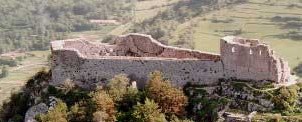
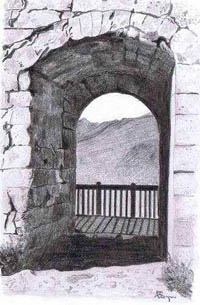
The site is spectacular, and well worth a visit, but information is a bit thin at the site.
Some architectural researchers have claimed that the dimensions of the present castle ruins demonstrate that it was designed on the basis of the English rod (canne Anglaise) which is consistent with it have been rebuilt by the family of the new lord of the manor after 1244, the Guy II de Lévis, Marshal of the Faith.
The French have a word for the act of burning people alive - they call it a Bûché. There is no exact counterpart in English. The nearest we have is burn at the stake. You may see the word translated in some literature as massacre or occasionally left as bûché in English translations.
|
|
||||||||||||||||||||||||||||||||||||||||||||||||||||||||||||||||||||||||||||||||||||||||||||||||||||||||||||||||||||||||||||||||||||||||||||||||||||||||||||||||||||||||||||||||||||||||||||||||||||||||||||||||||||||||||||||||||||||||||||||||||||||||||||||||
|
|
|
||||||||||||||||||||||||||||||||||||||||||||||||||||||||||||||||||||||||||||||||||||||||||||||||||||||||||||||||||||||||||||||||||||||||||||||||||||||||||||||||||||||||||||||||||||||||||||||||||||||||||||||||||||||||||||||||||||||||||||||||||||||||||||||||
Photographs |
|
||||||||||||||||||||||||||||||||||||||||||||||||||||||||||||||||||||||||||||||||||||||||||||||||||||||||||||||||||||||||||||||||||||||||||||||||||||||||||||||||||||||||||||||||||||||||||||||||||||||||||||||||||||||||||||||||||||||||||||||||||||||||||||||||
|
|||||||||||||||||||||||||||||||||||||||||||||||||||||||||||||||||||||||||||||||||||||||||||||||||||||||||||||||||||||||||||||||||||||||||||||||||||||||||||||||||||||||||||||||||||||||||||||||||||||||||||||||||||||||||||||||||||||||||||||||||||||||||||||||||
|
|||||||||||||||||||||||||||||||||||||||||||||||||||||||||||||||||||||||||||||||||||||||||||||||||||||||||||||||||||||||||||||||||||||||||||||||||||||||||||||||||||||||||||||||||||||||||||||||||||||||||||||||||||||||||||||||||||||||||||||||||||||||||||||||||
|
|
Accommodation at Montségur
Camping overnight at the site of the castle is forbidden. There are however places to stay in the nearby village of Montsegur, and nearby. Among them are La Taillade de Montségur: High quality chalets, built on spacious plots, bordered by shrubs and trees to maintain privacy, and integrated with the landscape, combining the freedom of camping with the comforts of a holiday cottage.
Montsegur - the Story Game
The game is based on the events from the start of the Seneschal's siege, and introduces real historical characters such as Joudain du Mas. It also gives a good introduction to Cathar belief. For more, visit http://thoughtfulgames.com/
|
||||||||||||||||||||||||||||||||||||||||||||||||||||||||||||||||||||||||||||||||||||||||||||||||||||||||||||||||||||||||||||||||||||||||||||||||||||||||||||||||||||||||||||||||||||||||||||||||||||||||||||||||||||||||||||||||||||||||||||||||||||||||||||||||
|
Cathars Surrendered to the Crusaders at Montsegur in 1244
On 16th March ,1244, the besieged refugees at the Château of Montsegur who refused to abjure the Cathar faith were burned en masse at the foot of the pog. Around 25 had taken the the Consolamentum three days previously, so becoming Parfaits or Parfaites, and knowing that this sealed their fates. They are regarded as martyrs by modern Gnostic Churches. Sources differ on the the number of victims. The Chronique de Guillaume de Puylaurens, gives the number as 200; the Chronique de l'Abbaye de Berdoues, states 205; The Chronique de St-Paul de Narbonne 215; and Gerard de Frachet 224. These chronicals do not attempt to list all the victims, so historians have had to piece together a partial list, mainly from Inquisition records. As far as I am aware, sixty-three individuals have so far been identified by name. The names of those who received the Consolamentum on the night of 13th March 1244 are marked with a ‡.
Montsegur in Popular CultureAn excellent book about the Cathars is Massacre At Montsegur: A History Of The Albigensian Crusade by Zoe Oldenbourg - which is good history, and well written. For more good books, and reviews of them, click here
If you prefer fiction you might be interested in some of the following. None of these represents reliable history, and some are pure fantasy.
Music
Iron Maiden published a song titled "Montségur" on their 2003 album Dance of Death - see below German thrash metal band Paradox's album Heresy deals with the persecution of the Cathars. The Era albums allude to the history of the Cathars, and the first album mentions Montségur on its cover.
Below are the lyrics of a song by Iron Maiden called Montségur (from the Dance of Death album) inspired by Bruce Dickinson's holiday stay near Montségur.
Some useful positionsThe keep: N 42.875998, E 1.832820
|
|
||||||||||||||||||||||||||||||||||||||||||||||||||||||||||||||||||||||||||||||||||||||||||||||||||||||||||||||||||||||||||||||||||||||||||||||||||||||||||||||||||||||||||||||||||||||||||||||||||||||||||||||||||||||||||||||||||||||||||||||||||||||||||||||||
|
|
|||||||||||||||||||||||||||||||||||||||||||||||||||||||||||||||||||||||||||||||||||||||||||||||||||||||||||||||||||||||||||||||||||||||||||||||||||||||||||||||||||||||||||||||||||||||||||||||||||||||||||||||||||||||||||||||||||||||||||||||||||||||||||||||||
|
|
|
|
|||||||||||||||||||||||||||||||||||||||||||||||||||||||||||||||||||||||||||||||||||||||||||||||||||||||||||||||||||||||||||||||||||||||||||||||||||||||||||||||||||||||||||||||||||||||||||||||||||||||||||||||||||||||||||||||||||||||||||||||||||||||||||||||
|
|
|
|
|||||||||||||||||||||||||||||||||||||||||||||||||||||||||||||||||||||||||||||||||||||||||||||||||||||||||||||||||||||||||||||||||||||||||||||||||||||||||||||||||||||||||||||||||||||||||||||||||||||||||||||||||||||||||||||||||||||||||||||||||||||||||||||||



 In
May 1243, a year after the Massacre at Avignonet, Montsegur was
besieged by a fourth time, on this occasion by Pierre Amiel the
Archbishop of Narbonne, and Hughes des Arcis, Seneschal of
In
May 1243, a year after the Massacre at Avignonet, Montsegur was
besieged by a fourth time, on this occasion by Pierre Amiel the
Archbishop of Narbonne, and Hughes des Arcis, Seneschal of 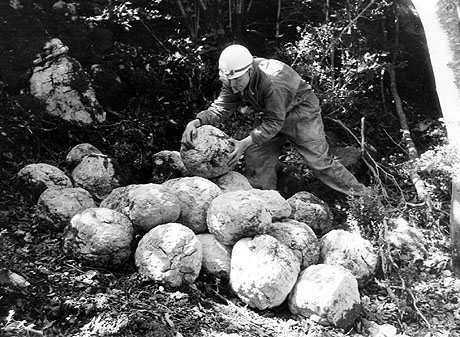












|
|
|
|
|
|
||||
|
|||||||||


| :::: Link to us :::: Castle and Manor Houses Resources ::: © C&MH 2010-2016 ::: contact@castlesandmanorhouses.com ::: Advertising ::: |